
Finding a quality bulk spice supplier from another country can feel risky. You cannot easily inspect facilities, verify processing methods, or physically examine inventory before placing an order. Yet thousands of food manufacturers, wholesalers, private-label brands, and importers successfully source spices from India every year.
India remains one of the world’s leading spice trading hubs. Products such as black pepper, green cardamom, cumin, turmeric, nutmeg, cloves, cinnamon, and many specialty spices move through export centers like Mumbai, Navi Mumbai, Kochi, and Chennai before reaching buyers worldwide.
The challenge is not finding suppliers.
The challenge is finding the right supplier.
This guide explains how experienced importers evaluate suppliers before committing to long-term purchasing agreements.
Start with Documentation, Not Price
Many buyers make the mistake of requesting quotations before confirming whether the supplier can actually meet their specifications.
Professional exporters expect technical questions before commercial discussions.
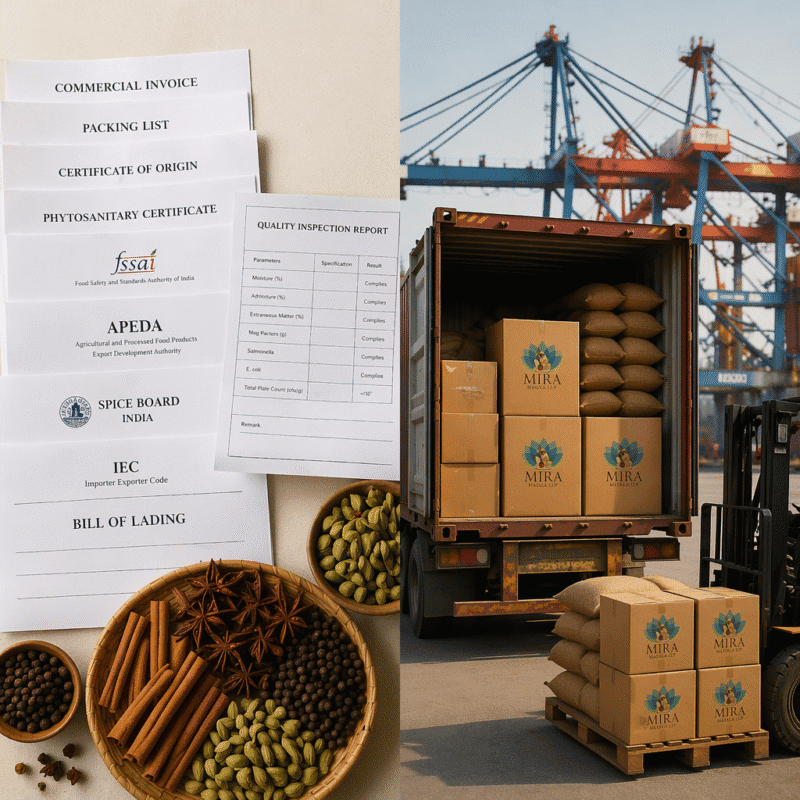
Ask for the following documentation first:
- FSSAI Registration
- IEC (Importer Exporter Code)
- APEDA Registration (where applicable)
- Spice Board Registration
- Certificate of Analysis (COA) for the exact spice and grade
- Previous Phytosanitary Certificates
- Product Specification Sheets
- Packaging Specifications
- Export Documentation Samples
A supplier who immediately sends only a price list without supporting documentation may not be focused on quality assurance.
Professional exporters generally provide documentation quickly because they already prepare it for existing international customers.
Verify They Are the Source
Not every exporter processes spices themselves.
Some purchase from wholesale markets and resell inventory without any quality control.
Ask questions such as:
- Where is the product cleaned?
- Who performs grading?
- Is steam sterilization available?
- Do you own the processing facility?
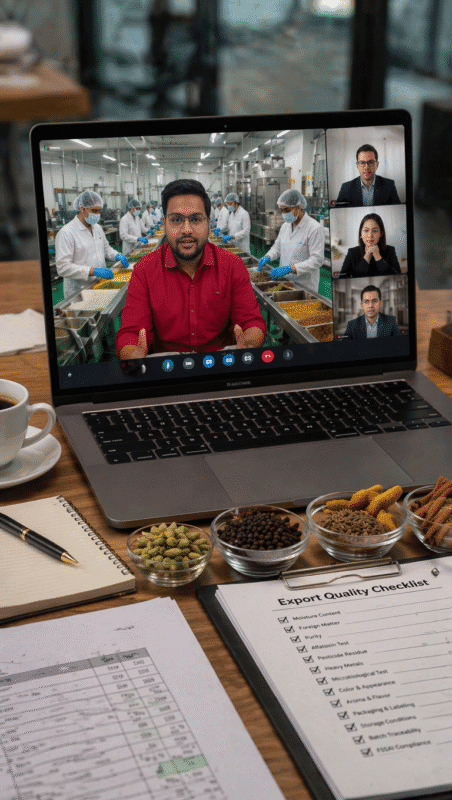
- Can you arrange a live video walkthrough?
- Can you identify your processing partner?
Legitimate exporters usually answer these questions confidently.
Many will happily arrange a video call showing cleaning lines, grading machines, packaging operations, warehouses, or container loading.
Vague answers often indicate limited operational control.
Request a Recent Certificate of Analysis
Never rely on an old laboratory report downloaded from a website.
Instead, request a recent Certificate of Analysis for the exact product you intend to purchase.
The report should include information such as:
- Moisture
- Total Ash
- Acid Insoluble Ash
- Volatile Oil (where applicable)
- Piperine (Black Pepper)
- Curcumin (Turmeric)
- Extraneous Matter
- Microbiology (if applicable)
Laboratory reports should correspond to the product and grade being offered.
Ask About Product Traceability
Modern food manufacturers increasingly require traceability.
Ask your supplier:
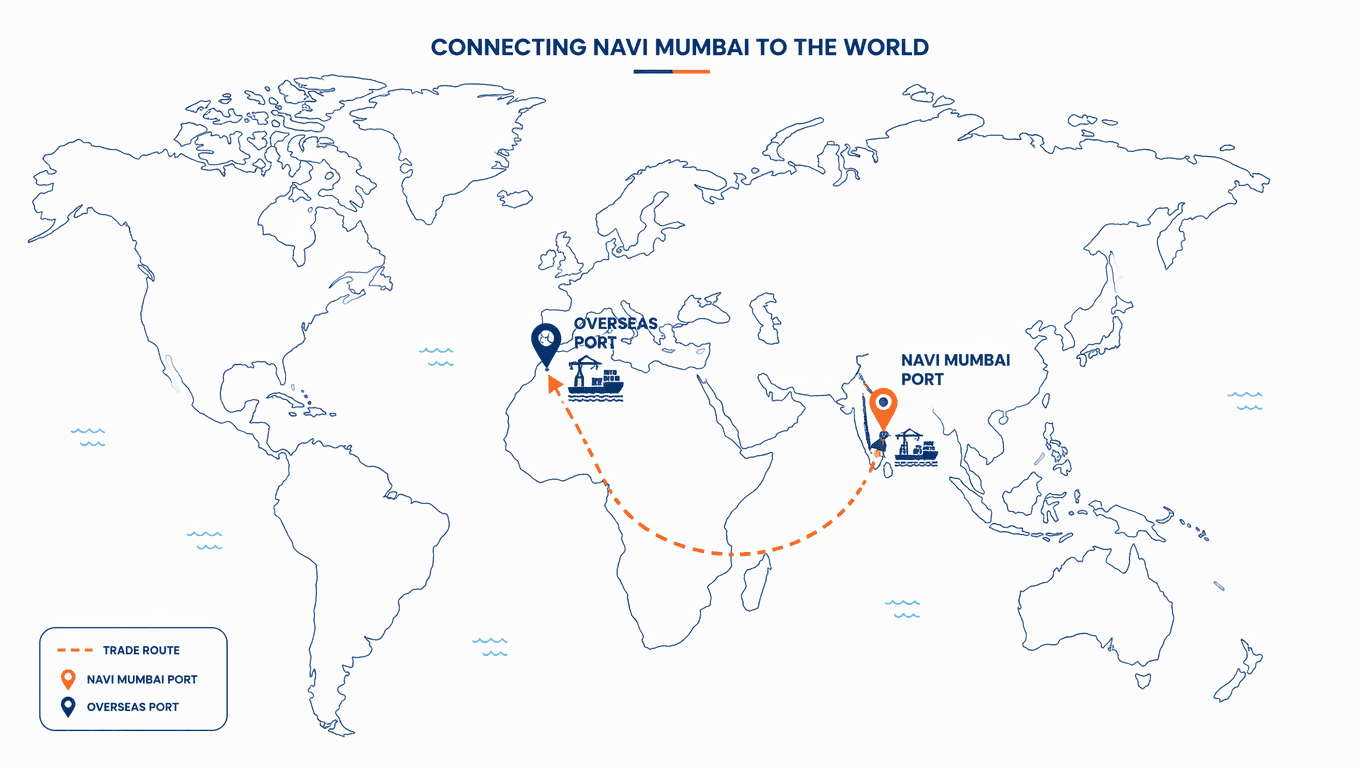
- Country of origin
- Harvest season
- Processing location
- Batch identification
- Storage practices
- Packaging dates
Exporters serving Europe, North America, Australia, and the Middle East are generally familiar with these requirements.
Good traceability reduces procurement risk and improves food safety compliance.
Evaluate Communication Quality
Reliable suppliers communicate clearly.
Pay attention to whether they:
- Answer technical questions directly
- Respond consistently
- Explain grades accurately
- Understand export documentation
- Discuss shipping realistically
Good communication often predicts smoother order execution.
Run a Production Trial Before Ordering a Container
Even perfect paperwork cannot replace real production testing.
Request enough material to run through your manufacturing process.
Small laboratory samples only reveal appearance and aroma.
Production trials reveal how the spice performs under actual operating conditions.
Evaluate:
- Particle consistency
- Oil content
- Colour retention
- Heat stability
- Processing behaviour
- Yield
- Finished product quality
Many manufacturers complete one or more production batches before approving a supplier for regular purchasing.
Verify Export Experience
Ask practical questions about previous exports.
Examples include:
- Which countries do you currently supply?
- Which Incoterms do you offer?
- Can you arrange FOB, CIF, or DDP?
- Which ports do you regularly ship from?
- Which shipping lines do you use?
- How do you protect cargo during ocean transport?
Experienced exporters usually answer confidently and provide realistic timelines.
Where to Find Reliable Suppliers
Finding suppliers through B2B marketplaces is only the beginning.
Better sourcing decisions usually come from suppliers who publish detailed technical information instead of generic marketing claims.
Useful evaluation sources include:
- Company websites
- Product specification sheets
- Laboratory documentation
- Export certifications
- Educational articles
- Case studies
- Facility photographs
- Video walkthroughs
- Trade exhibitions
- Industry referrals
Suppliers who invest in educating buyers often understand international procurement requirements better than companies focused only on quotations.
Common Red Flags
Be cautious if a supplier:
- Cannot provide recent laboratory reports.
- Avoids technical questions.
- Refuses facility photographs or video calls.
- Changes specifications after pricing.
- Cannot explain product origin.
- Offers unusually low pricing compared with the market.
- Avoids discussing documentation.
- Has inconsistent product descriptions.
One warning sign does not always indicate a poor supplier.
Several together should encourage additional due diligence.
Final Checklist Before Placing an Order
Before confirming your first purchase, ensure you have:
✅ Company registrations
✅ Export licenses
✅ Product specifications
✅ Certificate of Analysis
✅ Trial shipment
✅ Video verification
✅ Packaging confirmation
✅ Shipping quotation
✅ Payment terms
✅ References (when available)
Completing these steps significantly reduces sourcing risk.
Conclusion
Finding a quality bulk spice supplier does not require travelling to India, but it does require a disciplined procurement process.
Start with documentation.
Verify the source.
Review laboratory reports.
Conduct a production trial.
Evaluate communication.
Only then should pricing become the deciding factor.
At Mira Masala LLP, we believe buyers should receive complete product specifications and export documentation before making purchasing decisions. Transparency helps build long-term supply relationships based on consistency rather than price alone.
Frequently Asked Questions
Can I verify an Indian spice supplier without visiting in person?
Yes. Document verification, live video walkthroughs, laboratory reports, production samples, and third-party inspections allow buyers to evaluate suppliers effectively before visiting in person.
What is the biggest red flag when evaluating a new spice supplier?
The inability or unwillingness to provide a recent Certificate of Analysis for the specific product being quoted is one of the strongest warning signs. Vague answers about origin or processing should also raise concerns.
How long should I test a new supplier?
Most manufacturers complete at least one full production run before approving a supplier. Depending on internal quality procedures, this usually takes several weeks.
Should I always choose the cheapest supplier?
No. The lowest quotation often becomes the most expensive purchase if quality inconsistencies lead to production losses, customer complaints, or rejected shipments.
Does every exporter own a processing facility?
No. Many reputable exporters work with certified contract processing facilities. What matters is transparency, traceability, documented quality systems, and consistent product specifications.