
Everything You Need to Know About Sourcing Indian Spices Successfully
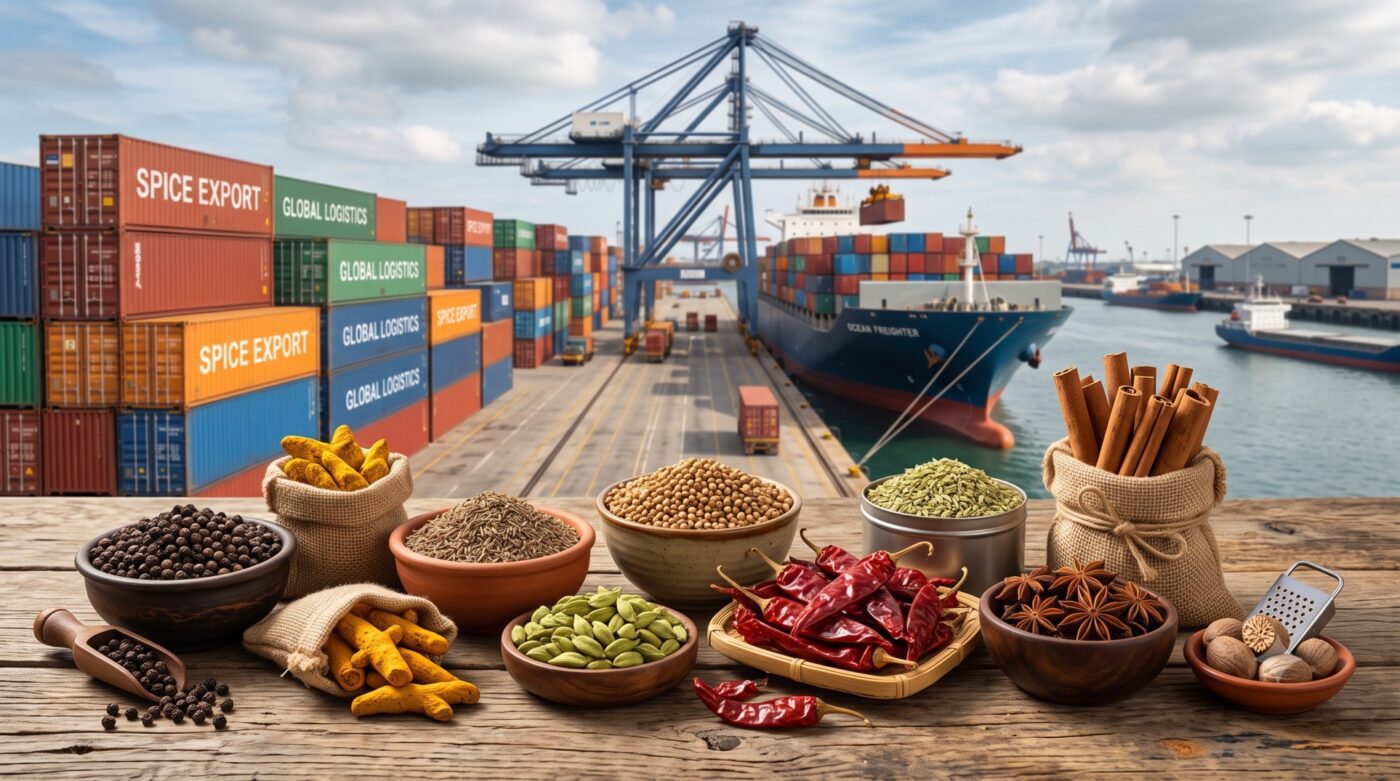
India is the world’s largest producer and one of the largest exporters of spices. Whether you are a wholesaler, distributor, food manufacturer, private label brand, or importer, this guide explains the essential steps involved in importing spices from India in 2026.
Why Import Spices from India?
India offers diverse origins, competitive pricing, established export infrastructure, year-round availability for many spices, and experienced exporters capable of meeting international quality standards.
How to Choose the Right Supplier
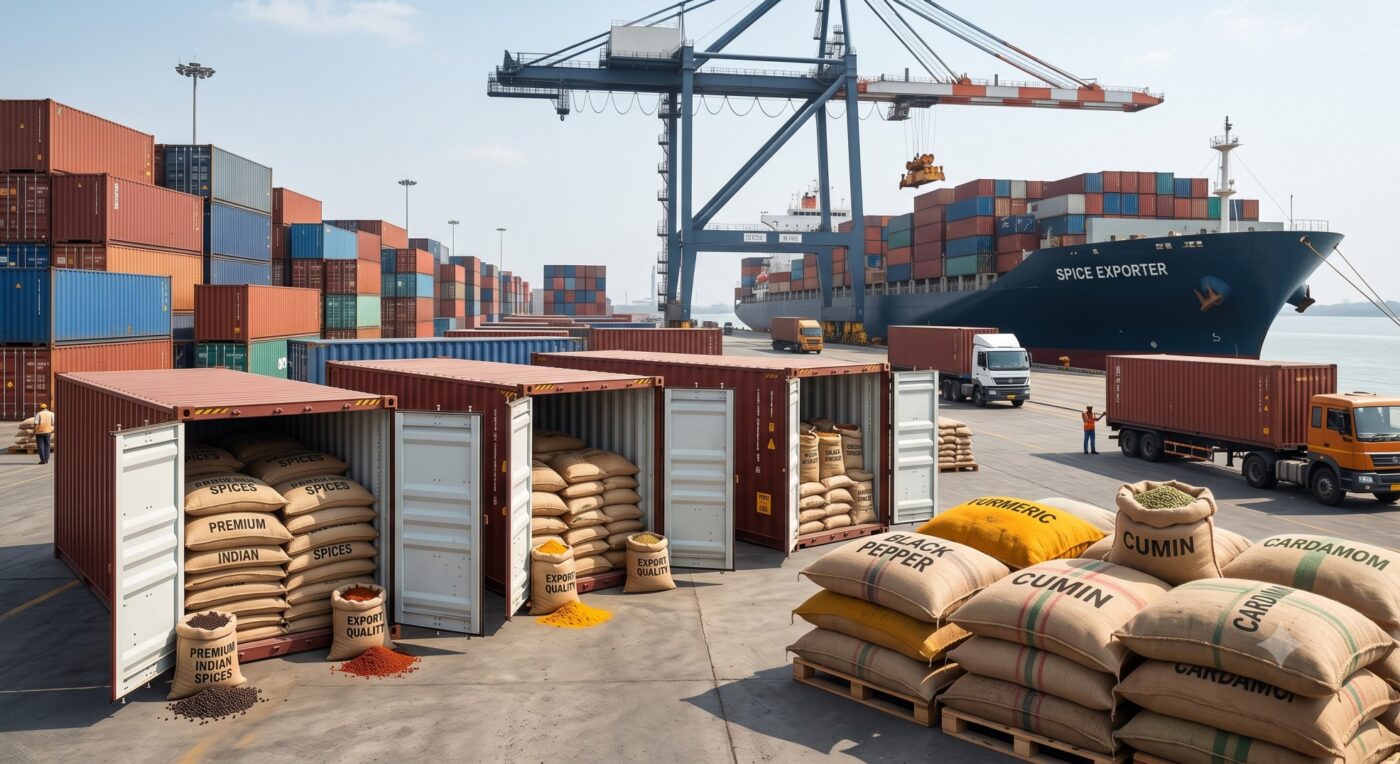
Evaluate suppliers based on export experience, certifications, traceability, laboratory testing capability, communication speed, and product consistency—not just price.
Minimum Order Quantity (MOQ)
Typical export MOQs range from sample quantities (250 g–5 kg) to full container loads of 20–25 metric tonnes. Many exporters also support LCL (Less than Container Load) shipments.
Sampling Before Bulk Orders
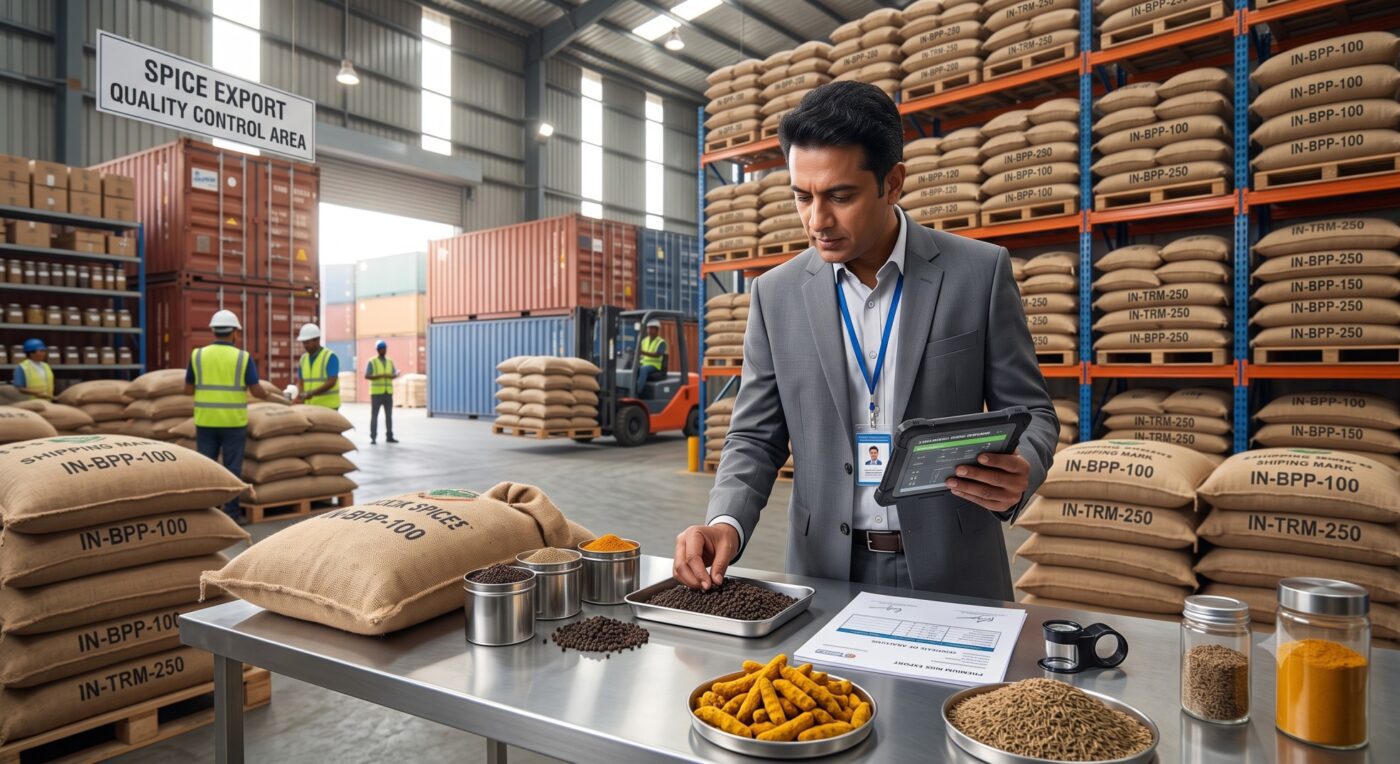
Always approve a physical sample together with a Certificate of Analysis (COA), specification sheet, photos, harvest information, and packaging details before confirming production.
Laboratory Testing
Commercial spice shipments are commonly tested for moisture, Salmonella, aflatoxins, pesticide residues, heavy metals (lead, cadmium, mercury, arsenic), and destination-specific compliance requirements, including Ethylene Oxide where relevant.
Packaging Options
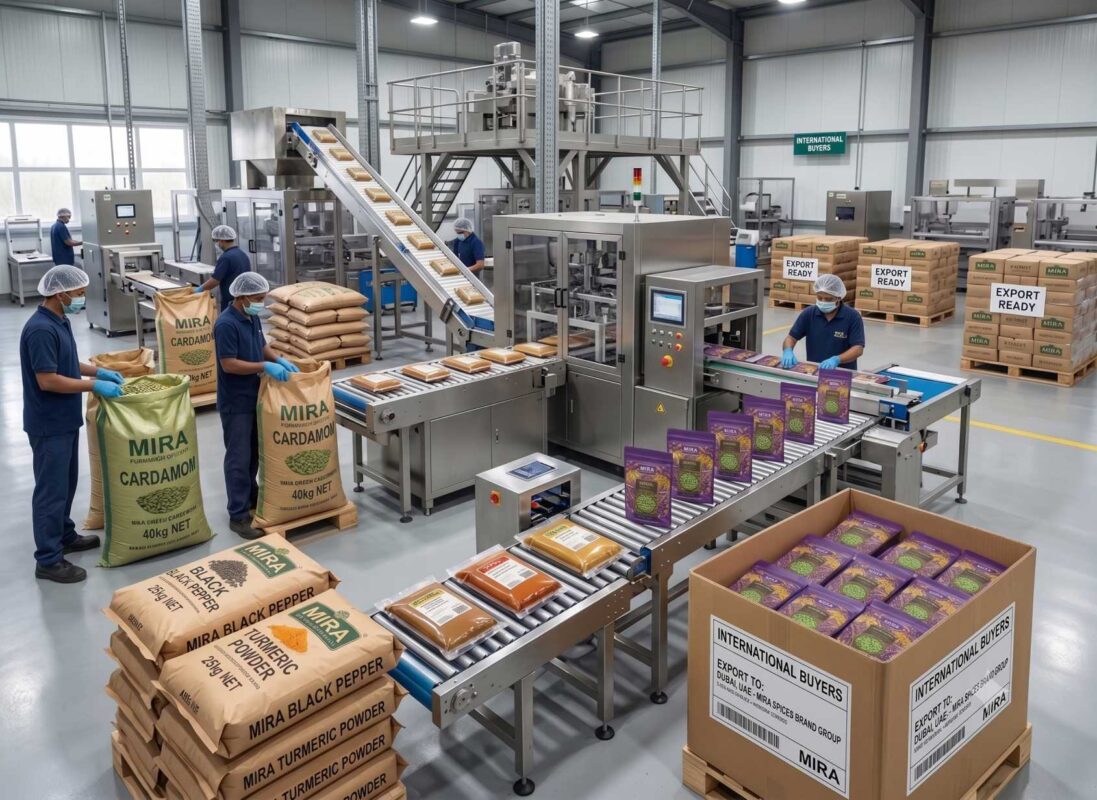
Common export packaging includes PP bags, kraft paper bags, laminated food-grade bags, vacuum packs, aluminum foil bags, and retail-ready private label pouches.
Incoterms
EXW (Ex Works) places most responsibility on the buyer. FOB (Free On Board) is widely used in spice exports. CIF (Cost, Insurance, and Freight) includes freight and insurance arranged by the seller. DDP (Delivered Duty Paid) offers the highest convenience for buyers.
Container Loading
Containers should be dry, clean, odor-free, properly stacked, moisture protected, and sealed after loading. Loading photographs are recommended.
Documentation
Typical export documents include a Commercial Invoice, Packing List, Bill of Lading, Certificate of Origin, COA, Phytosanitary Certificate (when required), and Insurance Certificate.
Compliance
Exporters should understand the requirements of the destination market, including EU food safety rules, U.S. FDA import requirements, Indian FSSAI standards, and Spices Board of India export procedures.
Importer Checklist
- Define product specifications
- Request recent laboratory reports
- Approve samples
- Confirm Incoterm
- Verify packaging
- Confirm moisture limits
- Review documentation
- Arrange customs clearance
- Inspect shipment on arrival
Conclusion
Successful spice importing depends on selecting reliable suppliers, defining clear specifications, verifying laboratory compliance, using appropriate Incoterms, and preparing complete documentation. A structured sourcing process reduces risk, improves product consistency, and helps ensure smooth customs clearance.